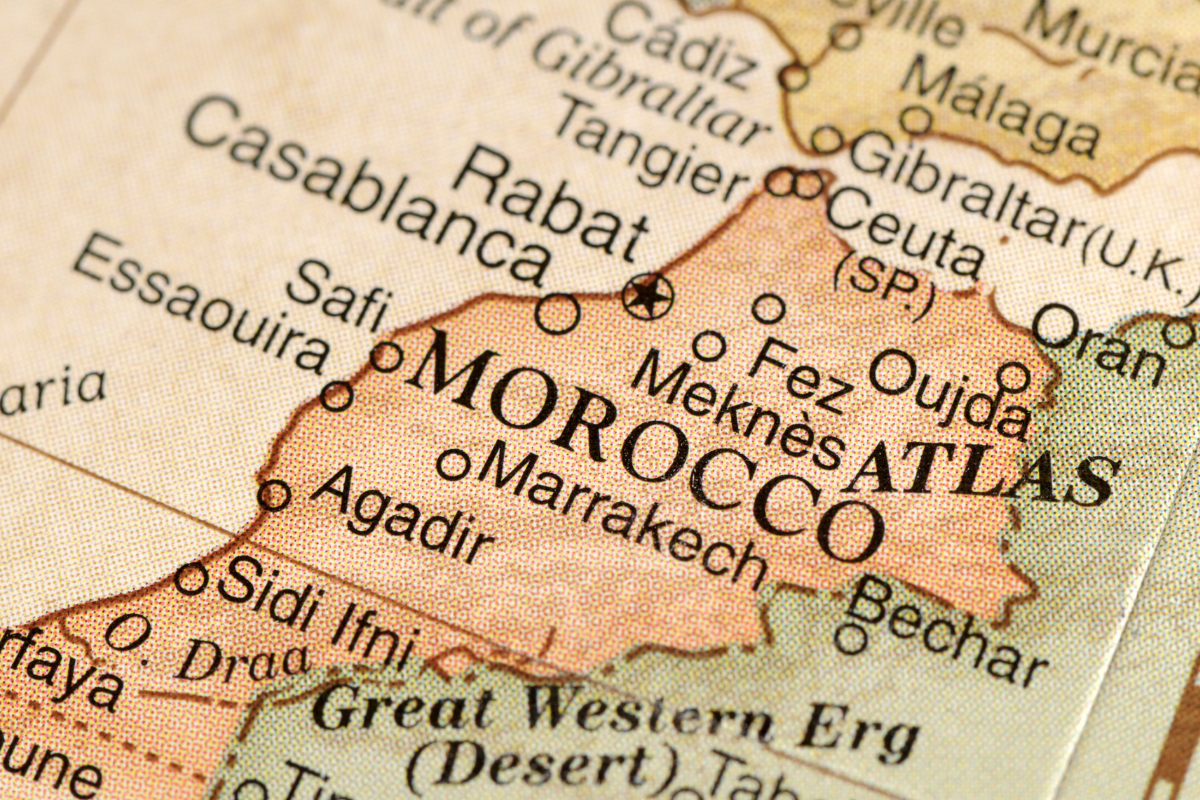
Morocco is a country full of contrasts. In this Morocco travel guide, we show you just how diverse a trip through the country can be. Historic medinas, small mountain villages, long Atlantic beaches and the vast landscapes of the Sahara are often just a few days of travel apart.
It’s this incredible diversity that makes traveling through Morocco such a special experience.
You can spend the morning wandering through the narrow streets of an ancient medina, travel through the Atlas Mountains a few days later, and then watch the sun set over the dunes of the Sahara.
With so much to see and do in Morocco, it can be hard to know where to start when planning your first trip.
In this Morocco travel guide, you’ll find everything you need to start planning your trip. We’ll cover the places worth visiting, the best time to go, how many days to spend in Morocco, and what to know about transport, accommodation, costs and getting around.
Morocco Travel Guide: The Best Places to Visit in Morocco
Which places you should visit depends mainly on what you want to experience during your trip.
Do you want to explore historic cities, head into the mountains, spend a few days by the sea, or experience the Sahara?
Some of the most popular places to visit in Morocco are Marrakech, Fes, Chefchaouen, Merzouga, the Atlas Mountains and Essaouira.
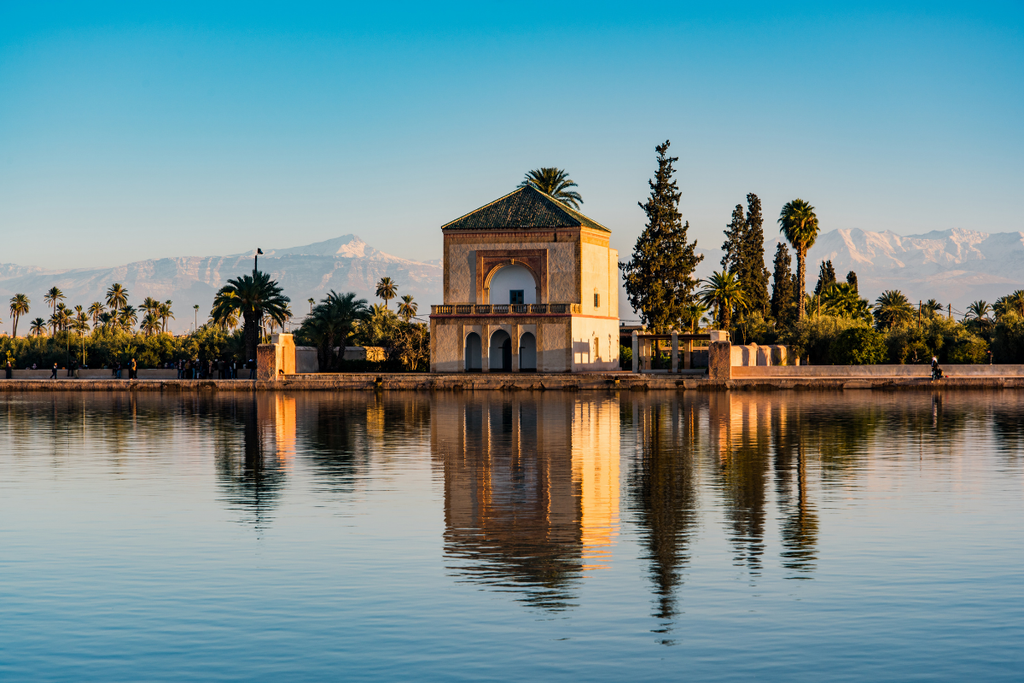
The Menara Gardens in Marrakech with views of the Atlas Mountains.
Marrakech: The Red City
For many travelers, no first trip to Morocco feels complete without a visit to Marrakech.
The historic medina is the heart of Marrakech, filled with lively souks, narrow streets, traditional architecture and the famous Djemaa el Fna square.
Other highlights include the Bahia Palace and the Koutoubia Mosque. But Marrakech is more than just its historic medina. Step outside the old city and you’ll find modern neighborhoods filled with restaurants, cafés and shops.
Marrakech also makes a great base for exploring more of the country, especially if you’re planning to continue into the Atlas Mountains or travel further south through Morocco.
Fes: History, Crafts and a Unique Medina
Fes is one of Morocco’s most fascinating cities when it comes to culture and history.
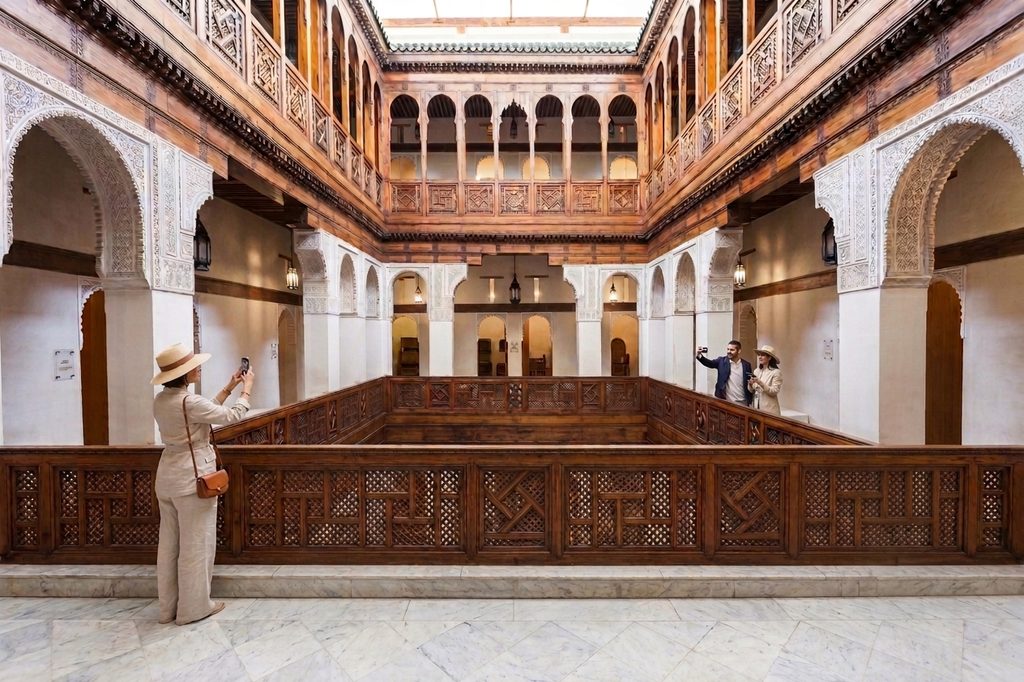
The historic medina is one of the highlights of Fes. As you wander through its maze of narrow streets, you’ll discover traditional workshops, tiny shops, beautiful old buildings and local artisans keeping centuries-old crafts alive.
Highlights include the Al-Qarawiyyin Mosque and University, the beautiful Bou Inania Madrasa, the famous tanneries and the impressive historic city gates.
Fes is also easy to combine with a visit to Chefchaouen or as part of a longer journey south toward the Atlas Mountains and the Sahara.
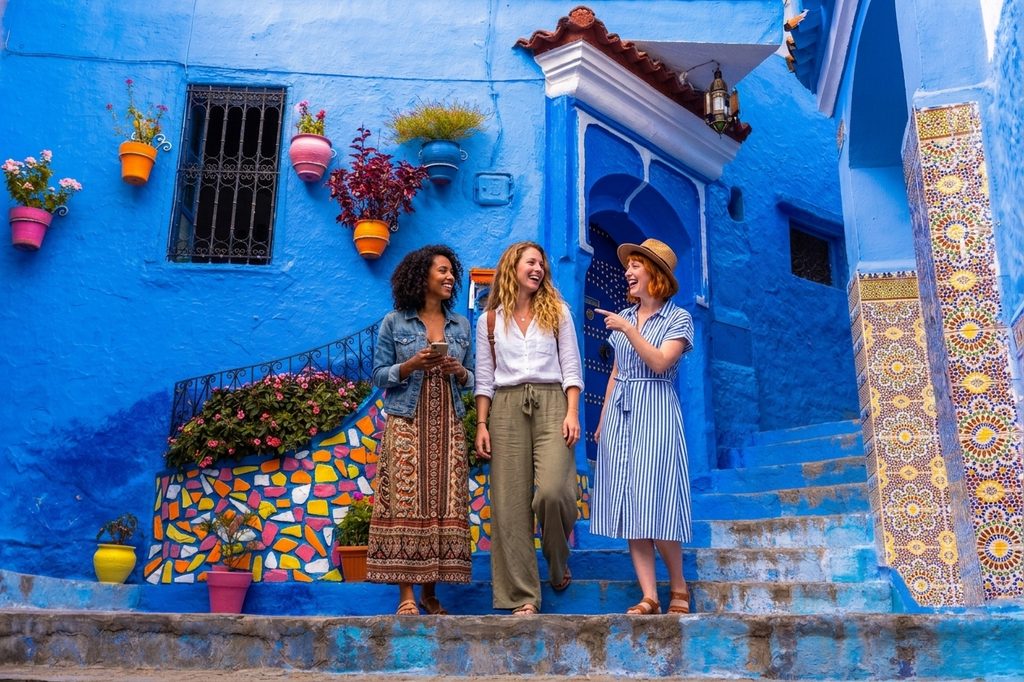
Chefchaouen: The Blue City in the Rif Mountains
Chefchaouen is famous for its charming blue-painted houses and winding streets.
Compared with the bustling medinas of Marrakech and Fes, Chefchaouen feels smaller and much more relaxed. It’s a great place to slow down, wander through the streets, stop at small cafés and simply enjoy the atmosphere.
Surrounded by the Rif Mountains, Chefchaouen is also a lovely base for spending time outdoors. If you enjoy nature, you can easily combine your stay with scenic day trips or hikes in the surrounding area.
Merzouga and the Sahara
For many travelers, experiencing the Sahara is one of the highlights of a trip to Morocco.
Merzouga lies on the edge of Erg Chebbi and is one of the best-known starting points for experiencing the Sahara’s vast sand dunes.
Merzouga sits on the edge of Erg Chebbi and is one of the main gateways to the Sahara, making it a popular starting point for exploring the region’s vast sand dunes.
Spending a night in the desert is one of the most memorable experiences in Morocco. As the sun sets and the dunes fall quiet beneath a clear sky, the Sahara reveals a completely different side of the country from its busy cities.
It’s worth giving yourself enough time to really enjoy the Sahara. If you rush there and back, you’ll end up spending a big part of your trip on the road.
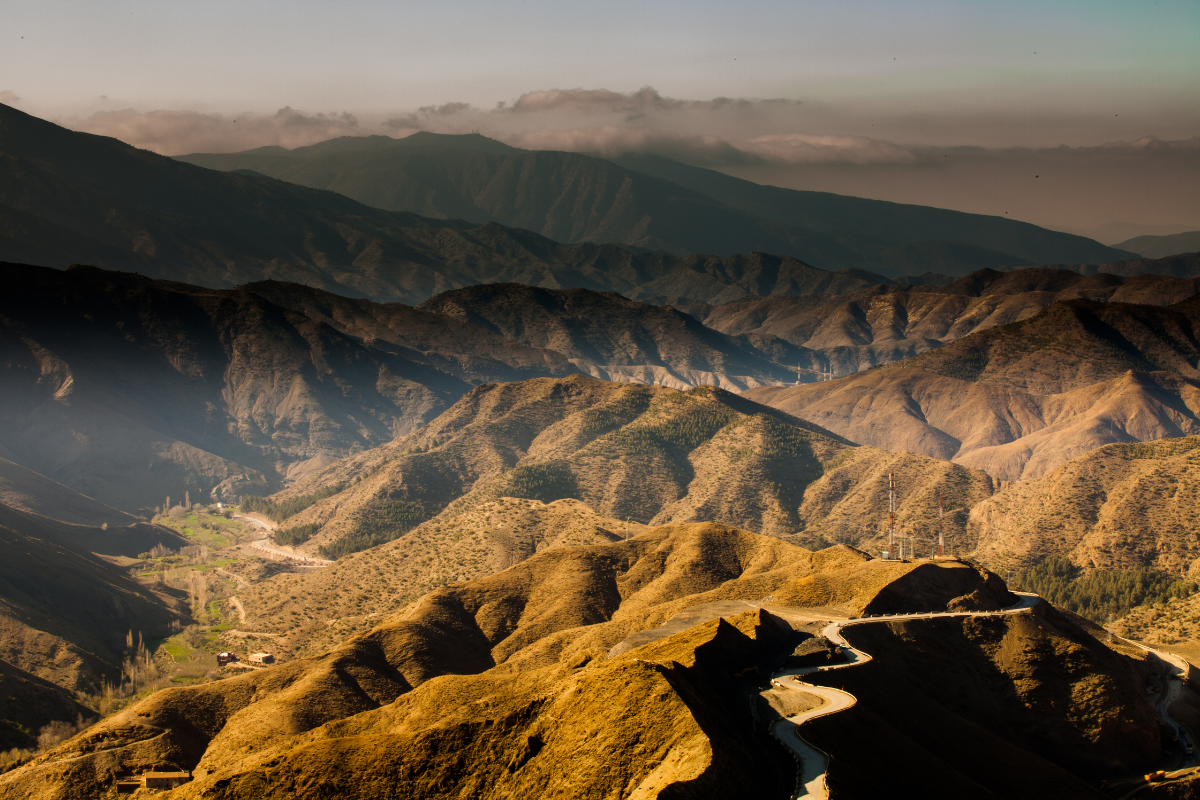
The Atlas Mountains: Mountains, Villages and Nature
The Atlas Mountains feel a world away from Morocco’s busy cities and desert landscapes.
Here, winding mountain roads lead through valleys and small villages, with impressive views of the surrounding peaks depending on the region.
Parts of the High Atlas are easy to reach from Marrakech. If you have more time, crossing the mountains can be one of the highlights of a longer Morocco road trip, as the scenery shifts from green valleys and remote villages to rugged peaks and wide-open landscapes.
The Atlas Mountains are a great choice for travelers who want to discover a different side of Morocco beyond its famous cities.
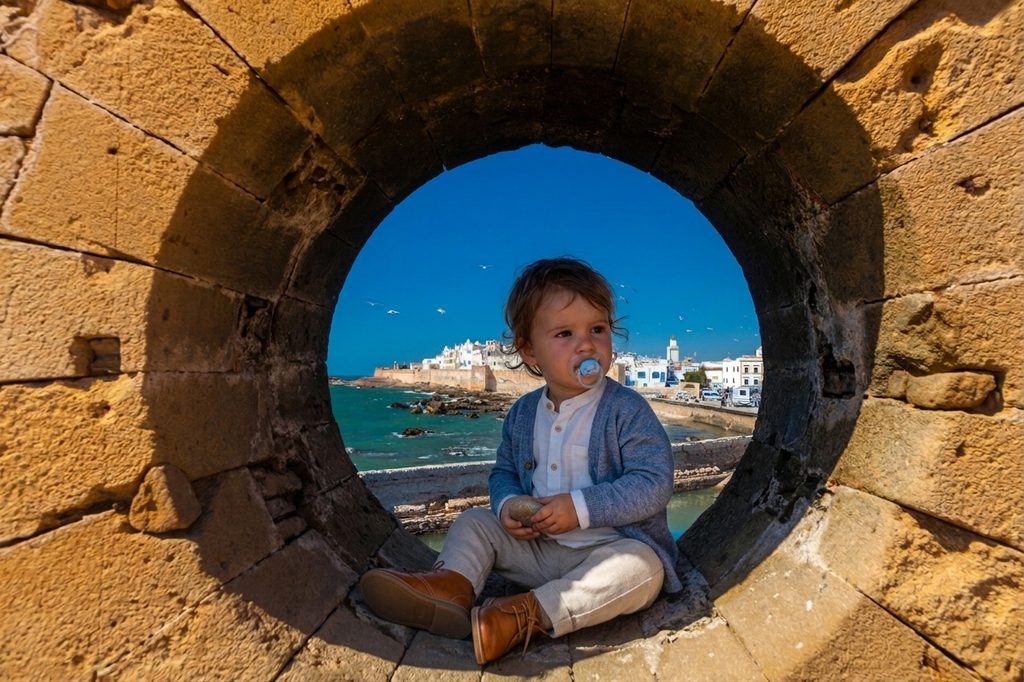
Essaouira: Relaxed Days on the Atlantic Coast
Essaouira sits right on the Atlantic coast and has a much more relaxed atmosphere than Marrakech.
Essaouira’s historic medina, lively harbor and long sandy beach give the city its unique character. You’ll also find plenty of small cafés, restaurants and shops to explore along the way.
Essaouira is also a popular spot for surfing and kitesurfing, thanks to the steady Atlantic winds.
For many travelers, Essaouira is a lovely place to end a Morocco road trip, especially if you want to slow down and spend a little time by the sea after several days on the road.
When is the best time to visit Morocco?
The best time to visit Morocco depends on which parts of the country you want to explore.
Spring and autumn are especially popular times for traveling around Morocco. Temperatures are comfortable in many parts of the country, making it easier to spend full days sightseeing or covering longer distances on the road.
Im Sommer kann es dagegen im Landesinneren und besonders im Süden sehr heiß werden. An der Atlantikküste sind die Temperaturen häufig angenehmer.
Winter can also be a great time to visit Morocco. The cities and many parts of the south are still easy to explore, while the Atlas Mountains can be much colder, with snow at higher elevations.
If you’re planning to visit the Sahara around Merzouga, spring and autumn are especially comfortable times to go for many travelers.
There’s no single perfect month to visit Morocco. The best time to go really depends on which parts of the country you want to explore on the same trip.
How Many Days Should You Spend in Morocco?
For your first trip to Morocco, 7 to 10 days is a good amount of time to start with.
With that amount of time, it’s best to focus on just a few regions rather than trying to see too much.
If you want to visit several cities as well as the Atlas Mountains and the Sahara, 10 to 14 days will make for a much more relaxed trip.
If you have more time, you can also explore the Atlantic coast or discover some of Morocco’s lesser-known regions.
A common mistake when planning a trip to Morocco is trying to fit too many places into too few days.
Morocco may look compact on the map, but getting from one region to another can take longer than you might expect. On a road trip especially, it’s often better to see fewer places and enjoy them properly.
How Much Does a Trip to Morocco Cost?
How much a trip to Morocco costs depends largely on your personal travel style.
Morocco offers plenty of options for different budgets, from simple accommodation and affordable local restaurants to beautiful riads, comfortable hotels, unique desert camps and private tours.
When planning your budget for Morocco, it helps to keep a few main expenses in mind:
Accommodation
Food and Drinks
Transport Between Destinations
Activities and Excursions
Entrance Fees
Transfers
Optional Guides
If you’re traveling around Morocco, longer drives and overnight stays in the Sahara can take up a bigger share of your budget.
Desert camps come in all kinds of styles, so it’s worth comparing what’s included. Prices, comfort levels and the overall experience can vary quite a bit from one camp to another.
That’s why it’s hard to simply say that Morocco is a cheap destination. Your overall budget really depends on the kind of trip you want to have.
What’s the Best Way to Get Around Morocco?
There are several convenient ways to travel between Morocco’s major cities.
Trains are a comfortable option on certain routes, while buses connect many cities and regions across the country.
If you’re planning to explore more remote areas, small villages, the Atlas Mountains or the Sahara, having more flexibility with your transport makes a big difference.
Depending on your travel style, you can rent a car, book a private transfer or join an organized tour. Each option offers a different way to discover Morocco at your own pace.
Renting a car gives you plenty of freedom to explore Morocco at your own pace. Just keep in mind that traffic, road conditions and local driving habits may feel quite different from what you’re used to at home.
Hiring a private driver makes longer journeys much more relaxed and comfortable. You can enjoy the scenery, stop along the way and leave the navigation, parking and route planning to someone who knows the area well.
The best option really comes down to how much independence and flexibility you want while traveling.
Riads, Hotels and Desert Camps
Morocco offers a wide range of accommodation options.
Riads are one of the most charming and traditional places to stay in Morocco. Built around a peaceful inner courtyard, these beautiful homes are often tucked away in the winding streets of the historic medinas.
Many riads are small and intimate, which makes staying in one feel especially personal. You’re often welcomed into a calm, cozy setting that feels much more individual than a larger hotel.
Beyond riads, you’ll find everything from comfortable hotels and cozy guesthouses to charming places to stay in Morocco’s quieter rural areas.
If you’re visiting the Sahara, spending a night in a desert camp is a wonderful way to experience the magic and peaceful atmosphere of the dunes.
When choosing a desert camp, it’s worth taking a little time to compare the options. Some offer a simple, traditional experience, while others come with extra comfort and a few more luxuries.
Moroccan Food: What Should You Try?
Food is one of the best parts of traveling through Morocco and a wonderful way to experience the country’s culture.
One of Morocco’s most iconic dishes is the tagine, with recipes that vary from region to region and often reflect family traditions passed down over generations.
Couscous, harira and pastilla are other Moroccan favorites you’re likely to come across again and again during your trip.
You’ll also come across plenty of fresh bread, olives and salads, along with Morocco’s much-loved mint tea.
Along the Atlantic coast, fresh fish and seafood also play an important part in the local cuisine.
It’s worth looking beyond restaurants that cater mainly to tourists. Smaller local places can be a wonderful way to discover traditional dishes and experience how flavors and recipes vary from one region to another.
Morocco Travel Guide: Practical Tips for Your Trip
To make your trip through Morocco as relaxed and enjoyable as possible, it helps to know a few practical things before you go. From money and payments to clothing, internet access and safety, a little preparation can make traveling around the country much easier.
Money and Payments
The local currency in Morocco is the Moroccan dirham, or MAD for short.
You can now pay by card at many hotels, restaurants and larger shops.
It’s still a good idea to keep some cash on hand. In small shops, local markets and rural areas, cash is often the easiest way to pay, especially for smaller purchases.
Clothing and Culture
Morocco is a diverse country, and the atmosphere can vary quite a bit from one region to another.
In tourist areas, the atmosphere is usually quite relaxed. Even so, it’s a good idea to be mindful of local customs and dress appropriately for the setting.
In smaller towns and rural areas, dressing a little more modestly is often the most comfortable and respectful choice.
Internet and SIM Cards
Having mobile internet makes traveling around Morocco much easier.
A local SIM card or eSIM gives you easy access to maps, translation apps, bookings and messaging while you’re on the go.
This can make things much easier, especially if you’re traveling independently.
Safety
Morocco is a popular destination for travelers from all over the world.
Morocco is a popular destination for travelers from all over the world.
In busy tourist areas and markets, keep a close eye on your belongings. It’s also a good idea to store important documents and larger amounts of cash somewhere safe.
For things like tours, taxis or other spontaneous services, it’s best to agree on the price in advance so there are no surprises later.
How to Plan Your First Trip to Morocco
On your first trip to Morocco, it’s better to focus on a few places rather than trying to see the whole country.
Instead, think about what you’re most interested in and what kind of experiences you want from your trip.
Do you want to focus mainly on Morocco’s cities and culture?
Do you want to experience the Sahara?
Would you rather spend more time in nature and explore the Atlas Mountains?
Oder möchtest du eine Rundreise mit einigen entspannten Tagen an der Atlantikküste verbinden?
Or would you like to combine a road trip with a few relaxing days on the Atlantic coast?
A good itinerary gives you time for the main sights while still leaving room for spontaneous moments along the way.
If you are not sure which regions work well together or which route fits the time you have, you do not have to figure it all out on your own.
You can use our Morocco Travel Concierge or message us directly on WhatsApp You will find both buttons on every page of our website, so you can get in touch with us whenever you need. Just tell us how long you would like to travel and what is important to you, and we can help you get a first idea of what your personal Morocco trip could look like.
In the end, it’s often the simple moments that stay with you most, like sharing tea in a small village, chatting with someone along the way or watching the evening unfold in the desert.
Morocco is a place to take your time with, rather than rush through just to tick it off your list.
It is worth giving it some time.
Would you like to explore Morocco privately, comfortably and with peace of mind?
On our private Morocco tours, you travel with a local driver who knows the roads, the regions and the language. That means you do not have to worry about navigation, unfamiliar traffic or communication along the way, and you can enjoy the journey much more comfortably.
We adapt the route, length of your trip, accommodation and experiences to your wishes. You save time on planning and get a journey that is designed around what you actually want to see and experience.
At the same time, you stay flexible. If you want to stop at a scenic viewpoint, take photos, have a break or spend a little longer somewhere, that can easily be part of the day.
This way, you can travel at your own pace while enjoying the comfort of personal support and local knowledge throughout your journey.
Discover Private Morocco Trips
Frequently Asked Questions About Traveling to Morocco
Spring and autumn are great times for traveling around Morocco. The best time for your trip really depends on where you want to go, whether that’s the cities, the Atlantic coast, the Atlas Mountains or the Sahara.
For a first trip to Morocco, 7 to 10 days gives you a lovely introduction to the country. If you want to explore several cities as well as the Atlas Mountains and the Sahara, 10 to 14 days will let you travel at a more relaxed pace and enjoy each stop without feeling rushed.
t really depends on what you want to experience. Popular choices for a first trip include Marrakech, Fes, Chefchaouen, Essaouira, the Atlas Mountains and the Sahara around Merzouga. Rather than trying to see too much, it’s usually better to choose a few regions that fit naturally into the same itinerary.
Between larger cities, trains and buses are often convenient options, depending on the route. For more remote areas, the Atlas Mountains or the Sahara, renting a car, booking private transfers or choosing a privately organized tour is often more practical.
Yes. Cards are widely accepted in many hotels, restaurants and larger shops, but it’s still a good idea to keep some cash on hand. You’ll often need it in smaller shops, local markets and rural areas.
If the Sahara is part of your itinerary, it’s worth giving yourself more than just a quick stop. Spending the night in a desert camp lets you experience the dunes at sunset, beneath the stars and again in the peaceful early morning.
Discover More About Morocco
There’s so much more to Morocco than its landscapes and cities. Its language, history and culture all add another layer to the experience. If you’d like to dive a little deeper, take a look at our article about warum die Bezeichnung Amazigh in Marokko eine besondere Bedeutung hat.